Homes That Last: Repairable, Interoperable, Brilliant
Today we explore how open standards and right-to-repair policies are reshaping connected home design, turning gadgets into cooperative neighbors instead of disposable strangers. Expect practical examples, personal stories, and actionable ideas that make your living space more resilient, secure, and genuinely yours to maintain, improve, and love for years without fear of lock-in or sudden obsolescence.
Interoperability at the Kitchen Table
When devices share clear, public languages, your home stops arguing with itself and starts collaborating. Open standards like Matter, Thread, Zigbee, and well-documented local APIs help lights, sensors, thermostats, and appliances coordinate routines gracefully, even across brands. This reduces frustration, prolongs usefulness, and keeps decisions in your hands rather than in a distant server that might change rules or vanish overnight.
Designing for the Joy of Repair
Right-to-repair policies encourage screws instead of glue, readable schematics, and parts you can actually order. That respect shows up in calmer weekends, fewer emergency replacements, and devices that age gracefully with you. Modular components, clear labeling, and accessible enclosures turn dread into curiosity, inviting you to fix what breaks and improve what merely disappoints, without voiding warranties or begging support channels for guarded service manuals.

Fasteners That Respect Your Time
Standard screws, thoughtful clips, and cables with room for fingers change the tone of maintenance from stressful to satisfying. You can open a panel, identify a board, and replace a sensor without breaking plastic tabs. This is not romantic nostalgia; it is basic dignity. When designers expect owners to succeed, homes avoid downtime, professionals finish faster, and neighbors confidently share tools rather than complicated, single-use workarounds.

Manuals That Teach, Not Tease
A good service guide names every connector, shows torque values, and narrates likely mistakes before they happen. Exploded diagrams align with real parts, while troubleshooting trees anticipate quirky symptoms. Whether you are replacing a fan or resetting a stuck relay, these instructions reduce panic, limit collateral damage, and build confidence. Over time, owners grow capable, communities learn patterns, and manufacturers earn genuine loyalty grounded in earned trust.
Security Without Secrecy Theater
Open standards do not require careless exposure; they invite verifiable protections. Local-first control shrinks attack surfaces. Signed updates, transparent changelogs, and coordinated disclosure policies make patching routine rather than frightening. When buyers can audit behaviors and choose offline defaults, reliability improves, trust deepens, and sensitive routines remain safe even when internet connections wobble or remote services experience the kind of outages that ruin ordinary evenings.

The Thermostat That Came Back To Life
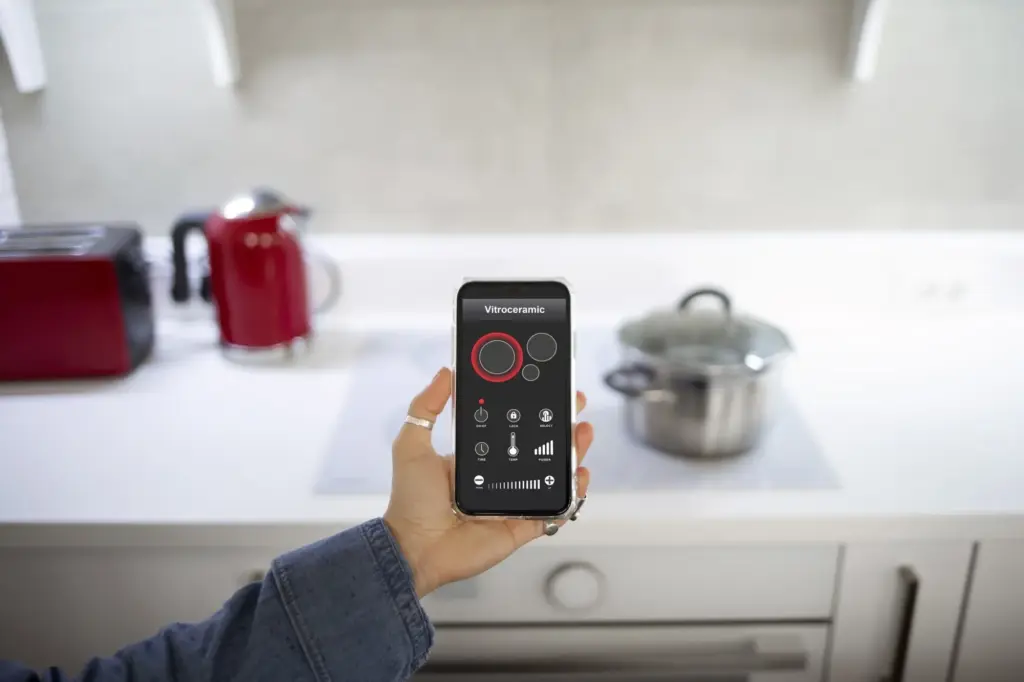
A neighbor’s thermostat started drifting wildly. Instead of replacing the whole unit, they opened the case, cleaned a dusty connector, and swapped a cheap temperature probe sourced from a documented parts list. Because the device spoke an open protocol, their hub re-detected capabilities instantly. Heat stabilized, bills shrank, and confidence soared. They now volunteer monthly workshops, teaching others to diagnose issues without panic or unnecessary, landfill-filling replacements.
A Door That Refused To Stay Broken

When a smart lock’s motor fatigued, the owner found an exploded diagram online, identified the actuator, and ordered a compatible replacement. A simple calibration routine restored smooth movement. Because the lock’s integration used a stable, published interface, existing automations kept working uninterrupted. No emergency locksmith. No surprise subscription. Just a quiet victory in the hallway, celebrated with a cup of tea and a texted photo to supportive friends.
Grandma’s Lights Learn New Tricks

An older apartment kept vintage switches for sentimental reasons. Rather than gutting walls, the family used batteryless wireless remotes, thread-enabled bulbs, and a small, standards-compliant bridge. Everything interoperated, so scenes joined hands gracefully with motion cues and sunrise schedules. Repairs meant swapping affordable modules, not redesigning rooms. Grandma presses a familiar button, the house smiles back, and the weekend remains dedicated to pie, not wrestling with incompatible ecosystems.

Service Models That Reward Care
Maintenance subscriptions that actually deliver value—predictive diagnostics, prioritized spares, extended update windows—create satisfied advocates. Transparent pricing and clear exit options sustain goodwill. A healthy ecosystem of authorized and independent repair pros keeps talent nearby while ensuring competition. When products welcome longevity, relationships deepen, and the revenue narrative shifts from one-off spikes to calm, renewable streams supported by performance instead of gatekeeping or intentionally brittle integrations masquerading as convenience.
Refurbishment As A First Option
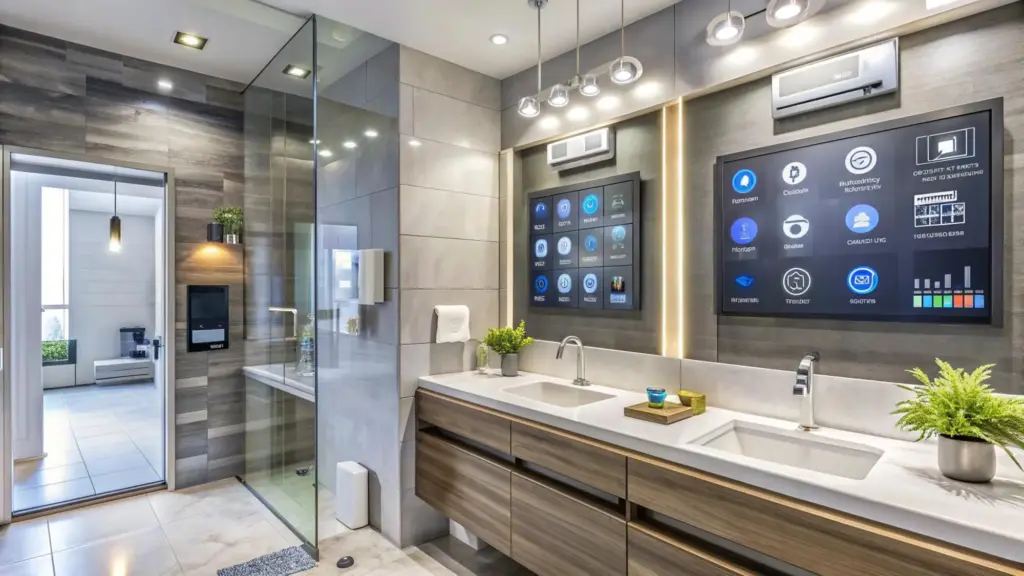
Trade-in programs, certified used marketplaces, and factory reconditioning keep good gear circulating. Clear grading standards, transferable warranties, and published test results reduce anxiety for second owners. Refurbishment incentives also motivate better original design: modularity and documented calibration routines. The outcome is elegant: lower total cost of ownership, smaller environmental footprint, and a reputation for practicality that marketing budgets struggle to manufacture without authentic, repeatable, customer-centered behaviors.

Your Practical Playbook
You deserve a home you can understand, maintain, and evolve. Use visible certifications thoughtfully, read documentation before purchase, and prefer local control with published APIs. Ask vendors about spare parts, update commitments, and data export. Start small, keep notes, and share successes. Community wisdom compounds quickly when we compare experiences openly, celebrate patient tinkering, and gently hold companies accountable for promises printed in bright, confident fonts.
Look for devices supporting Matter, Thread, or other well-documented standards, with offline operation for core features. Prefer replaceable batteries, standard fasteners, and stated parts availability windows. Demand exportable data and readable logs. Check community forums for integration success stories. Budget for a spare sensor or two, because preparedness turns little failures into quick lessons rather than uncomfortable, late-night scrambles to restore basic comfort or household safety.
How long will security updates last? Where is the service manual? Which components are user-replaceable, and what are their prices? Does the API require cloud connectivity, or can I control everything locally? What is the plan if your servers shut down? Honest, prompt answers reveal cultural alignment with durability, empowering you to buy wisely and influence the market with every careful, well-documented household decision.
All Rights Reserved.