Fix First, Style Smarter: A Home You’ll Love Longer

Today we explore Repair-First Smart Home Styling, a practical and uplifting approach where maintenance, thoughtful upgrades, and creative reuse shape comfort, beauty, and technology in equal measure. Instead of rushing to buy, we diagnose, mend, and modernize, extending the life of beloved objects while integrating smart features with care. Expect actionable steps, heartfelt stories, and design ideas that keep budgets grounded, waste reduced, and personality front and center. Share your wins and questions as we build homes that age gracefully, function brilliantly, and feel unmistakably ours.

Foundations For A Resilient, Stylish Home

Repair-first thinking begins with honest assessment, gentle patience, and a willingness to learn what already lives under your roof. You map what works, what fails, and what only needs cleaning, recalibration, or a fresh seal. Then you align fixes with personal style, energy goals, and future compatibility. This is not deprivation; it is dignified curation, where each repair reveals intention. Ask questions, involve family, and celebrate small victories. Share your inventory and insights in the comments, so our community grows wiser, braver, and more resourceful together.

Audit What You Own

Set aside one afternoon to list devices, furniture, lighting, and textiles, noting age, condition, and quirks. Update firmware, clean contacts, tighten hinges, reseat cables, and label power bricks. Photograph serial numbers and store manuals digitally. This gentle audit reveals quick wins and hidden potential, making future upgrades more strategic. You will spot patterns, reduce duplicates, and feel calmer knowing exactly what deserves attention, what simply needed dusting, and what—after a small repair—can finally shine again without purchasing anything new.

Fix Before You Buy

Treat replacement as the final choice, not the first impulse. Try lubricating stubborn sliders, swapping a $10 gasket, re-soldering a loose joint, or resetting a noisy fan. Many devices only need thermal paste, fresh batteries, or a re-aligned sensor to perform beautifully. When you repair, you retain embodied energy and history, honoring both craftsmanship and your budget. The emotional payoff is real: you keep familiar objects, learn new skills, and reduce the decision fatigue that comes with endless shopping and escalating features.

Design Within Healthy Constraints

Work with your home’s existing lines, finishes, and light, and let those constraints guide color, texture, and tech placement. Unify mismatched pieces with coordinated hardware, consistent cable sheathing, and repeated material accents. Choose one smart hub, one automation language, and one remote aesthetic so interfaces feel cohesive. Constraints nurture creativity, making rooms feel intentional rather than gadget-studded. Comment with photos showing how a limited palette, a few repaired heirlooms, and thoughtful automations helped you discover a visual language that feels calmer, richer, and unmistakably you.

Gentle Retrofits That Respect What You Have

Retrofitting can be surprisingly elegant when you prioritize reversibility, standards, and visual quiet. Layer smart plugs, inline relays, and battery sensors without drilling unnecessary holes or voiding warranties. Favor Matter, Thread, and open protocols so devices cooperate gracefully, future-proofing your investments. Tuck hubs near routers, hide cables in painted raceways, and use adhesive mounts that release cleanly. Minimal intervention protects character and resale value. Share your non-destructive tricks—magnetic mounts, clip-on brackets, and furniture-safe adhesives—so others can modernize confidently while preserving patina, history, and flexible room arrangements.

Non-Invasive Upgrades

Start with smart bulbs in heritage lamps, plug-in dimmers for vintage floor lights, and stick-on contact sensors for doors and windows. Use command strips, cable clips, and velcro ties for tidy installations that remove cleanly. Replace switch plates with paddle styles that suit your decor, keeping wiring stock. Try battery-powered motion sensors to automate pathways without chiseling walls. This approach preserves original finishes while granting smart control, so you keep yesterday’s charm with today’s convenience. Post your before-and-after shots to inspire fellow caretakers of characterful spaces.

Bridging Old Protocols

If you have a beloved Zigbee dimmer, a Z-Wave lock, and new Matter bulbs, bridge them through a compatible hub and expose unified scenes to your preferred assistant. Consider running Home Assistant or another local controller for speed and privacy, translating between ecosystems without vendor lock-in. Document device quirks, assign human-readable names, and group rooms thoughtfully. The payoff arrives when a single "Goodnight" routine dims antiques, locks doors, and silences notifications, proving that a carefully woven bridge can honor legacy gear while embracing interoperable simplicity.

Materials, Tools, And Creative Repairs

A smart, stylish home is built by hands willing to patch, stitch, and fabricate. Keep wood filler, epoxy putty, cyanoacrylate, contact cement, and fabric repair tape near your driver set and multimeter. Print brackets that adapt old fixtures to new bulbs, dye sun-faded covers, and replace worn glides on drawers. Celebrate patina while restoring function. Thoughtful mending reduces e-waste and unlocks custom solutions that off-the-shelf parts rarely match. Tell us which adhesives, fillers, and printable jigs saved your weekend, and we’ll compile a living library of fixes.
Choose glue for the job: PVA for wood, contact cement for laminates, epoxy for structural bonds, and flexible CA for delicate plastics. Pair with wood filler, Bondo, or epoxy putty to rebuild corners and reinforce screw holes. Sand, prime, and color-match for invisible repairs. When you rescue a drawer face or tighten a wobbly chair, smart lighting and sensors suddenly have a solid stage. Share your brand preferences and curing tips, helping newcomers avoid messy failures and achieve clean, durable results that blend beautifully into daily life.
A modest printer can transform your repair-first journey: design cable combs, vented hub mounts, and adapters that seat smart motion sensors on vintage trim. Print spacer rings to fit modern bulbs into classic shades, or hinge shims that correct sagging doors. PETG withstands warmth; PLA prototypes quickly. Sand, prime, and paint for seamless integration. If you lack a printer, use makerspaces or online services. Share STL files, slicing profiles, and finishing tricks so our community multiplies solutions, builds confidence, and keeps treasured pieces working gracefully for years.
Steam, mend, and reupholster before replacing. Patch cushion seams, rotate inserts, and refresh fabric with eco-friendly dye baths that harmonize with lighting temperature. Add interfacing behind frayed hems and swap zippers instead of tossing covers. Smart shades and occupancy sensors complement rejuvenated textiles, protecting fibers from harsh sunlight while automations remember to close softly at dusk. Post your favorite fabric sources, stitching techniques, and upholstery staplers that feel kind on hands. Together we craft rooms that look new because they were lovingly maintained, not quickly discarded.

Energy, Data, And Everyday Safety

{{SECTION_SUBTITLE}}

Measure Before You Optimize
Plug major devices into smart meters and log data over two weeks. Identify idle wattage, heat spikes, and real usage patterns instead of guessing. Then adjust automations, standby settings, and sleep schedules. Use scenes that blend efficiency with ease, avoiding punitive darkness or awkward controls. Energy saved through insight funds future repairs and gentle upgrades. Report your most surprising findings—like a dusty router pulling more power than assumed—so others can replicate wins, right-size power strips, and anchor their styling decisions in honest numbers rather than hopeful intuition.

Privacy By Default

Choose devices offering local APIs, on-device voice, and transparent data policies. Disable unnecessary diagnostics, set per-room permissions, and name sensors without revealing routines. Keep a changelog for firmware updates and note any altered defaults. Network-segment guests and IoT devices where practical. The goal is confidence: tech that helps without eavesdropping. Share trusted brands, self-hosted dashboards, and anonymized automations that still feel magical. When privacy becomes routine housekeeping, family members relax, guests feel respected, and your beautifully repaired space remains a refuge rather than a data-emitting showroom.

Kitchen Revival

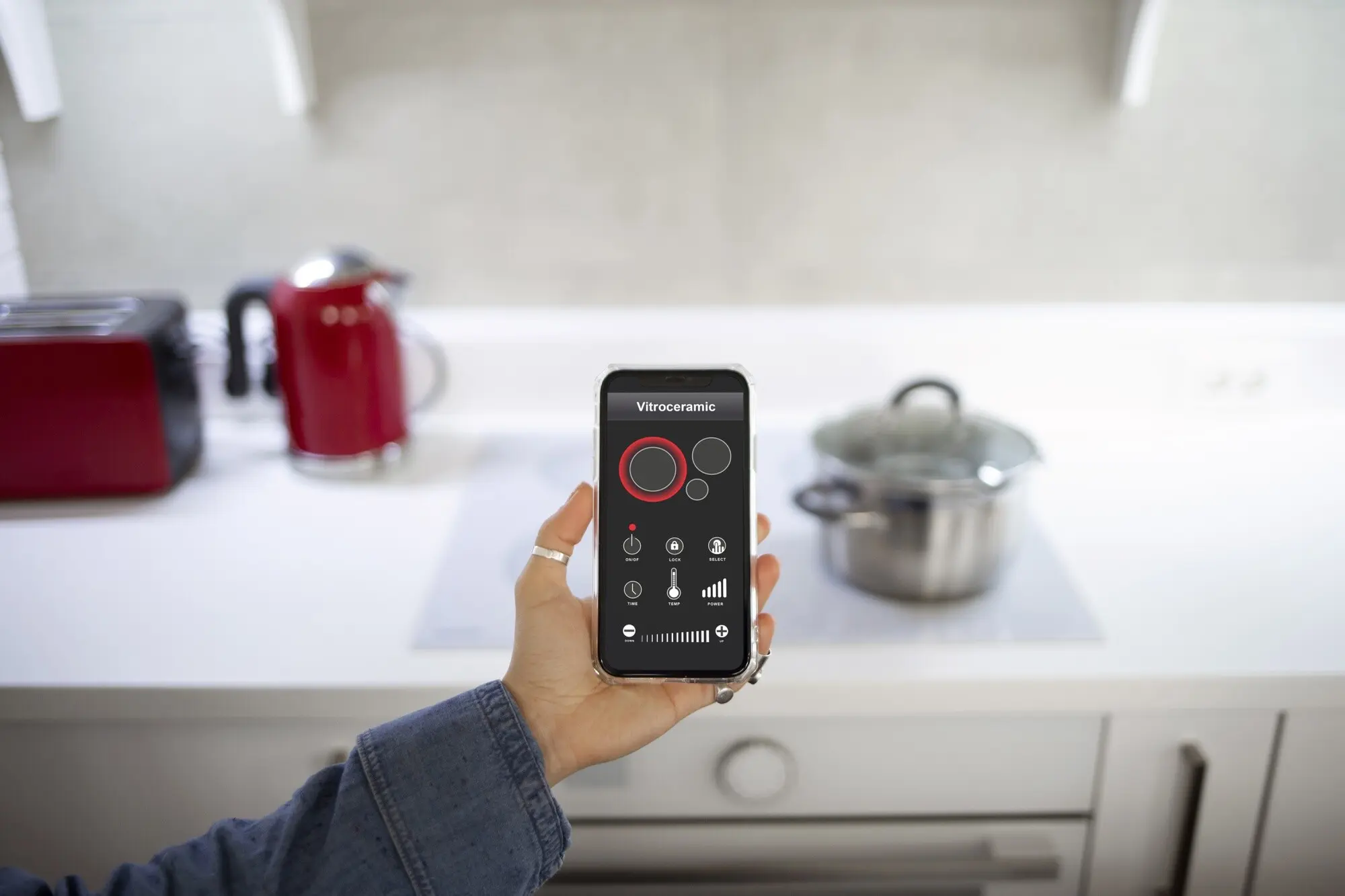
Tighten cabinet pulls, level shelves, and replace a failing drawer slide before installing smart under-cabinet lighting. Add a humidity sensor near the kettle to trigger a quiet fan, reducing steam wear on finishes. A smart plug turns the vintage mixer into a scene-ready helper without altering its soul. Label pantry bins and place a small display for timers. Over time, the kitchen feels calmer because structure came first, style second, and automation last—layers that honor your routines while resisting clutter and impulse gadgets.

Bedroom Calm-Tech

Mend curtains, oil door hinges, and stabilize a squeaky slat so sleep becomes sacred again. Then introduce warm, low-blue lighting tied to a bedtime routine, plus a silent button that kills screens and dims the room without waking partners. Temperature and motion sensors whisper signals rather than shout. Hardware fades, rest deepens. Share your most comforting rituals, favorite bulb color temperatures, and headboard cable routes. Together we create bedrooms that breathe—soft, ordered spaces where repaired textiles and understated automations conspire to protect true rest every single night.

Living Room Harmony

Re-glue a loose veneer, hide wires in baseboard raceways, and rotate cushions to even wear. Mount speakers on vibration-damping pads and teach a single remote to control disparate boxes. Ambient lighting scenes follow sunset, protecting eyes and upholstery. Plants soften acoustics while sensors discreetly confirm windows are closed at night. Showcase one repaired heirloom as the emotional anchor. Post photos of your tidiest cable corral, most convincing paint-matched sensor, and coziest scene stack. The living room becomes conversation-ready rather than gadget-forward, anchored in story and care.

The 70/20/10 Method

Allocate seventy percent of your budget to repairs and maintenance, twenty to targeted smart upgrades, and ten to styling touches like fabrics or hardware. This simple split keeps glamour from starving fundamentals. Track each expense in a shared sheet and evaluate quarterly. If a repair saves more than expected, roll surplus into future-proofing standards. Readers report this method lowers stress, curbs impulse buys, and builds pride. Share your numbers, variants, and shifts so we can compare notes and continuously refine a budgeting rhythm that truly sustains homes.

Sourcing Parts Responsibly

Before clicking buy-new, check local salvage yards, reputable refurbishers, manufacturer parts lists, and community swaps. Match part numbers carefully and read teardown guides to avoid mismatches. Favor components with replaceable sub-parts—fans, bearings, gaskets—so future fixes stay affordable. Ask neighbors for loaner tools to test viability first. Post trusted sellers, ethical e-waste drop-offs, and success stories where a five-dollar part rescued a cherished lamp or router. Responsible sourcing shrinks carbon footprints and delivers character that off-the-shelf replacements seldom match, while strengthening ties with skilled, generous local tinkerers.
Kiratarivelto
Privacy Overview

This website uses cookies so that we can provide you with the best user experience possible. Cookie information is stored in your browser and performs functions such as recognising you when you return to our website and helping our team to understand which sections of the website you find most interesting and useful.